
In this issue:
- Halloween Parade SOS
- TOCA Cares: Meagan Bebenek Foundation
- Road Resurfacing Notice
- Summer Concerts: July 3, July 17
- Islington Village Mural Walk
- History Corner: Islington Village
Halloween Parade SOS

WE NEED YOU!
Volunteers NEEDED for the parade to run this year!
For the last four years, the TOCA Halloween Parade has been our biggest event of the year, but to keep it going the TOCA board needs help! In order for the parade to occur we will need SIX VOLUNTEERS to join the ad-hoc parade committee, and help make the parade a success. Without enough volunteers, we cannot run the parade!
Please reply, or send us a note to thompsonorchards@gmail.com
SAVE THE DATE: This year’s parade will hopefully be held on Saturday October 26!
TOCA Cares: Meagan Bebenek Foundation

In the newsletter, we would like to start highlighting some of the amazing work being done by our neighbours in the Thompson Orchard community. This issue we would like to tell you about the Meagan Bebenek Foundation.
In 2001, four-year old Meagan was diagnosed with a malignant and inoperable brain tumour, that would take her life a short six months later. When Meagan’s mother, Denise, left the hospital after Meagan’s passing, she knew she had to do something to help other children and families, and founded the Meagan Bebenek Foundation (first known as Meagan’s Walk).
The next year, in 2002, the foundation held it’s first-ever Meagan’s Hug, where 800 people encircled Sick Kids Hospital for the world’s first human hospital hug. Within a few short years, the foundation would incorporate the Meagan Bebenek Endowment Fund, the Meagen Bebenek Research Institute, and the Kids Helping Kids school program.
Since then, they have raised over $6 million for research, leading to less-toxic treatments, better quality of life, and improved outcomes for young brain tumour patients around the world. Meagan’s Hug has grown to thousands of participants who walk the 5k from Fort York to Sick Kids, every Mother’s Day weekend, alongside the support of over 200 volunteers.
Please join us in congratulating Denise and the Bebenek family, for everything they have done to help thousands of families and children facing serious health challenges. We are proud to have you as our neighbours!
Visit www.meaganbebenekfoundation.org to learn more about different ways you can support the foundation.
Do you know a neighbour or community member whose work deserves recognition? Let us know! Write to us at thompsonorchards@gmail.com
Road Resurfacing Notice
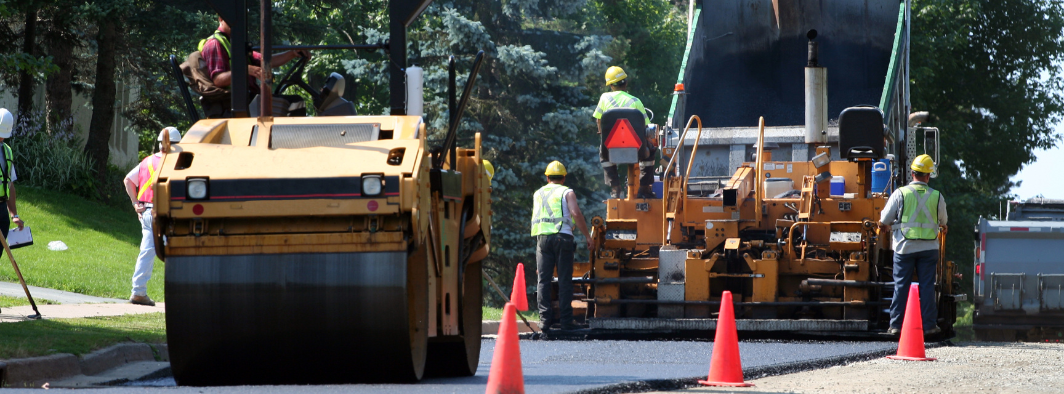
Several roads in the neighbourhood will be resurfaced over the coming year: Thompson Ave, Orchard Cres, Meadow Crest Rd, & Van Dusen Blvd. Click here to read the full pre-construction notice. After a conversation with the project’s field ambassador, it is our current understanding that at this moment there is NO plan to install new sidewalks, and that existing culverts and ditches will be maintained/repaired.
Note: when work begins, take care to remove any private landscaping features (e.g. plants, pavers) located within city property limits (boulevard) to avoid damage. Property owners with heated driveways or sprinkler systems are advised to contact the project field ambassador (listed at the bottom of the pre-construction notice.)
Summer Concerts: July 3, July 17

The Etobicoke Community Concert Band is hosting free outdoor concerts this summer!
Where: Applewood/Shaver House (outdoors) 450 The West Mall
When: Wednesday July 3, 7pm AND Wednesday July 17, 7pm
Support local volunteer musicians, and maybe spot a neighbour in the band!
More information at www.eccb.ca
Islington Village Mural Walk

Did you know that there is an exquisite collection of 28 murals just a few minutes north of our neighbourhood, in Islington Village?
TOCA is looking to organize a guided walking tour, led by a guide from the Islington Village BIA, to enjoy this unique collection of public art and learn about the history of each piece.
Write to us at thompsonorchards@gmail.com if you are interested!
Once we have at least ten participants, we will reach out with date options, currently looking at a weekend in September.
History Corner: Islington Village
If you lived 150 years ago as an orchard-keeper on the Thompson estate, you would not have had the convenience of having a variety of shops and services at your doorstep on Bloor Street, which remained rural and undeveloped until Robert Home Smith’s Humber Valley developments around 1913.
Instead, you probably would have made regular trips up Montgomery Road to the village of Islington, centred along Dundas Street where it crosses Mimico Creek. Islington Village was one of a handful of villages that dotted Etobicoke’s otherwise-rural landscape during the 19th century.
The village got its start when Dundas Street, the main east-west route through the wilderness of Upper Canada, had its alignment shifted slightly northwards in 1814 to its current alignment, deemed more suitable for improvements required by the onset of the war of 1812. (Its original alignment through Etobicoke followed present-day Bloor Street, and terminated on the west bank of the Humber at the end of Old Mill Road, where a proposed bridge was still waiting to be built.)
As Upper Canada grew and European settlement accelerated, traffic increased on this important route. The church that would become Islington United Church was founded by local settlers as a methodist society in 1818, meeting in their homes. At this time, early settlers would have frequent contact with Mississaugas, who had been living in the area since around 1700, and would continue to travel through the area to exercise certain hunting and fishing rights that were retained in the terms of the Treaty 13, the Toronto Purchase.
Thomas Montgomery built his inn in 1832, and a few years later it would become a stop on the stage coach routes between Hamilton and Toronto that began in 1835. By 1846, the village had grown to 150 residents, and boasted a sawmill, two churches, two taverns, a doctor, a blacksmith, a butcher, a baker, a tailor, a shoemaker, two carpenters, and two wheel-wrights.
Up until this point, the village was actually known as Mimico, and appears on maps bearing that name until the middle of the century. However, the construction of the Grand Western Railway closer to the lake shore spurred rapid development further south, and a new village soon sprang up where Mimico Creek meets Lake Ontario. When those lakeside residents required better postal facilities and a name for the post office was required, they chose the name Mimico, being “first to the punch”.
Such it was that when, in around 1857 when residents in present-day Islington Village petitioned for their own post office, they were told that the name Mimico was already taken. The community held a meeting to choose a new name, where Elizabeth Smith suggested Islington after her hometown in England, now a part of London. Thereafter, the name Mimico was dropped and the village became known as Islington.
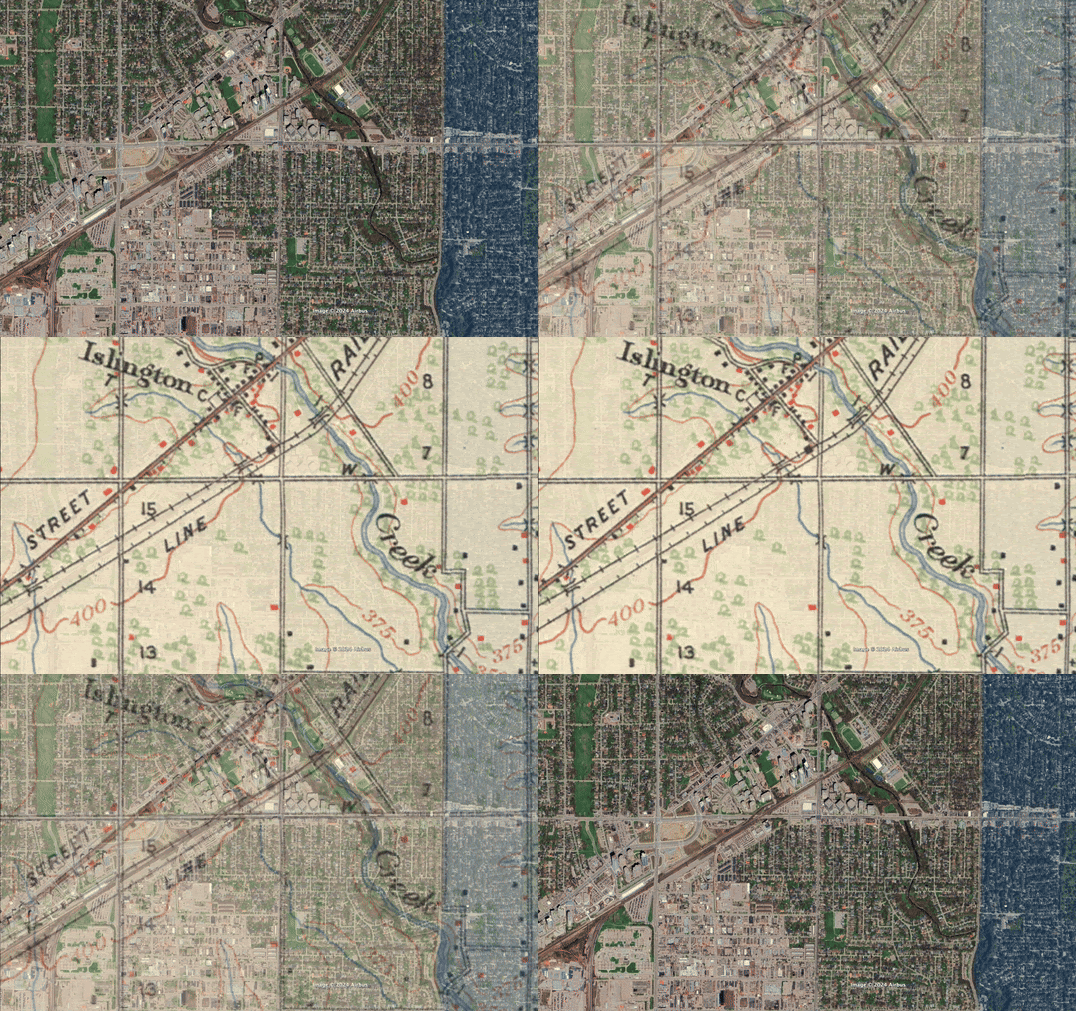
The above map is an excerpt from a 1909 survey map, and it shows the area in remarkable detail just before it underwent rapid development. Some interesting features to note include:
- the Thompson cottages of Rose Bank and Spring Bank (still standing on Meadow Crest) are visible as red squares denoting stone buildings
- Royal York Road required a substantial detour in order to cross Mimico Creek, following present-day Glenroy Ave., and Humbervale Blvd.,
- Islington Ave did not have any bridge crossing Mimico Creek, and Dundas and Bloor would remain unconnected until 1960
Special thanks to Denise Harris and the Etobicoke Historical Society, from whom much of this information is sourced. Please visit their excellent guide to researching Etobicoke History. Other sources include: Derek Hayes: Historical Atlas Of Toronto; Islington United Church History; Sean Marshall: The Complicated History Of Dundas Street; Upper Canada Treaty Texts;
THANK YOU TO RESIDENTS WHO HAVE ALREADY WRITTEN IN STORIES AND PHOTOS FROM THE PAST! WE WILL BE REACHING OUT TO GATHER IDEAS FOR FUTURE EDITIONS OF HISTORY CORNER!
PLEASE WRITE TO US IF YOU HAVE ANY INTERESTING STORIES ABOUT THE NEIGHBOURHOOD’S HISTORY THAT WE COULD FEATURE!
 Thompson Orchard Community Association